Following Footprints
A trip report from December, 2025
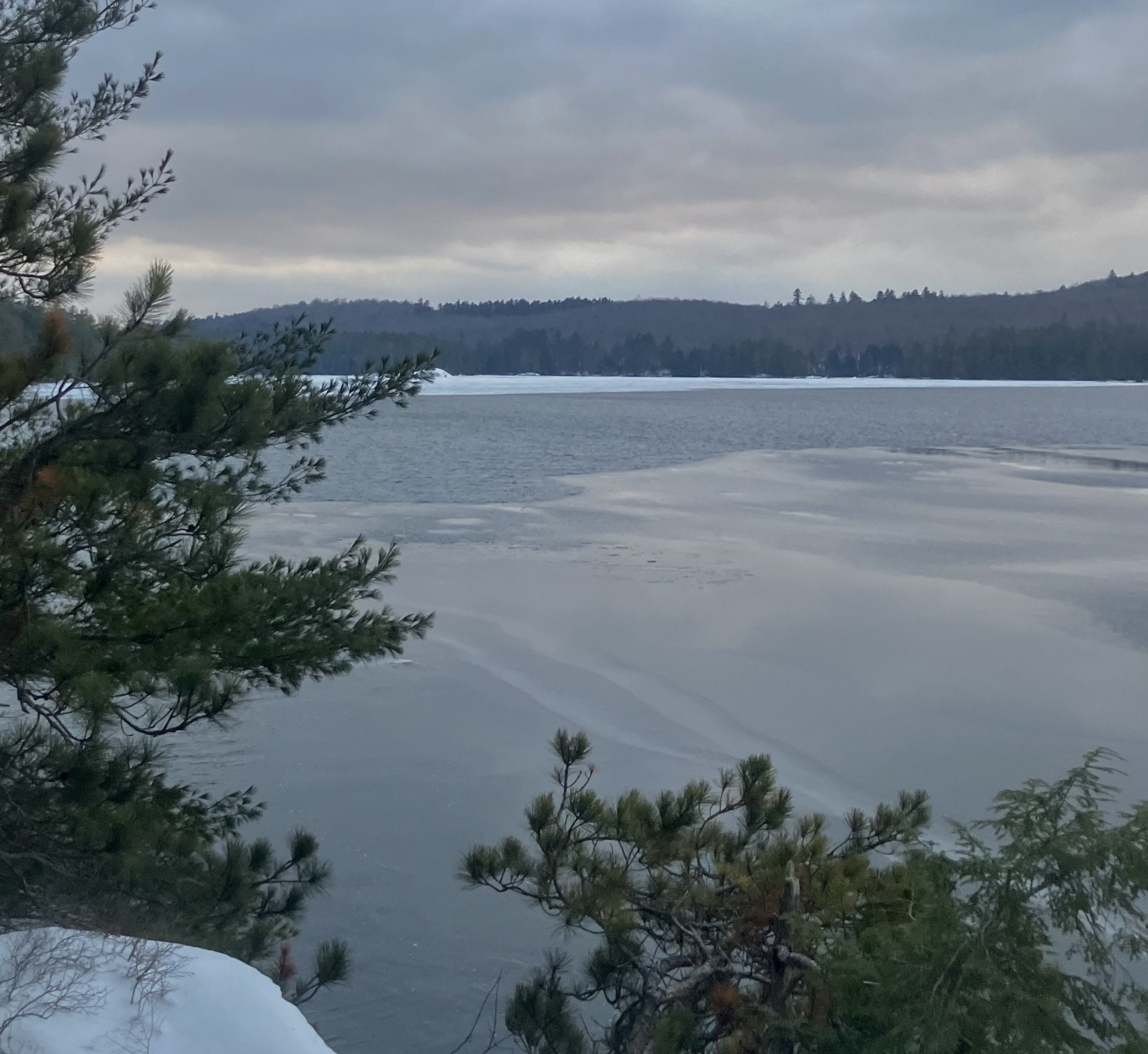
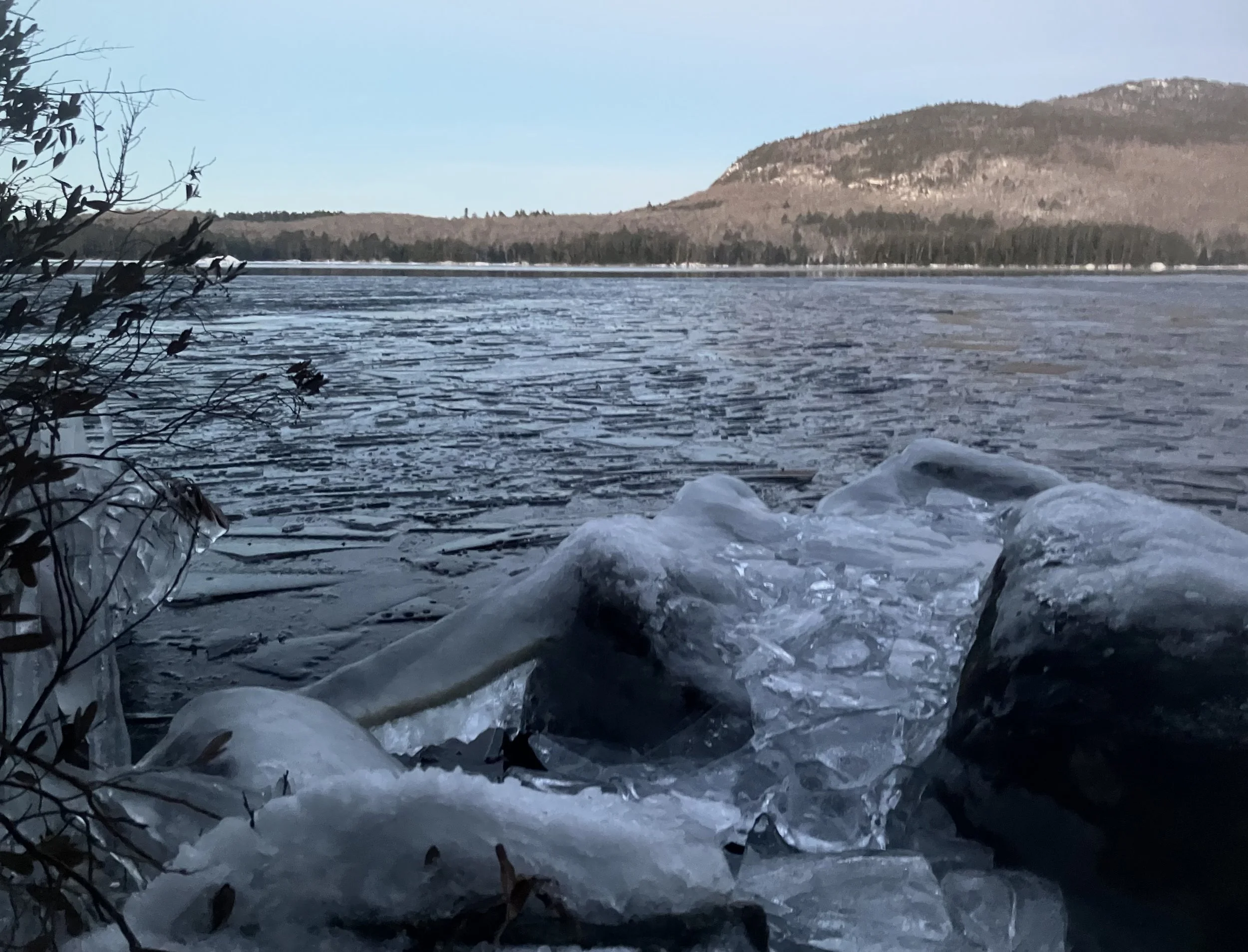
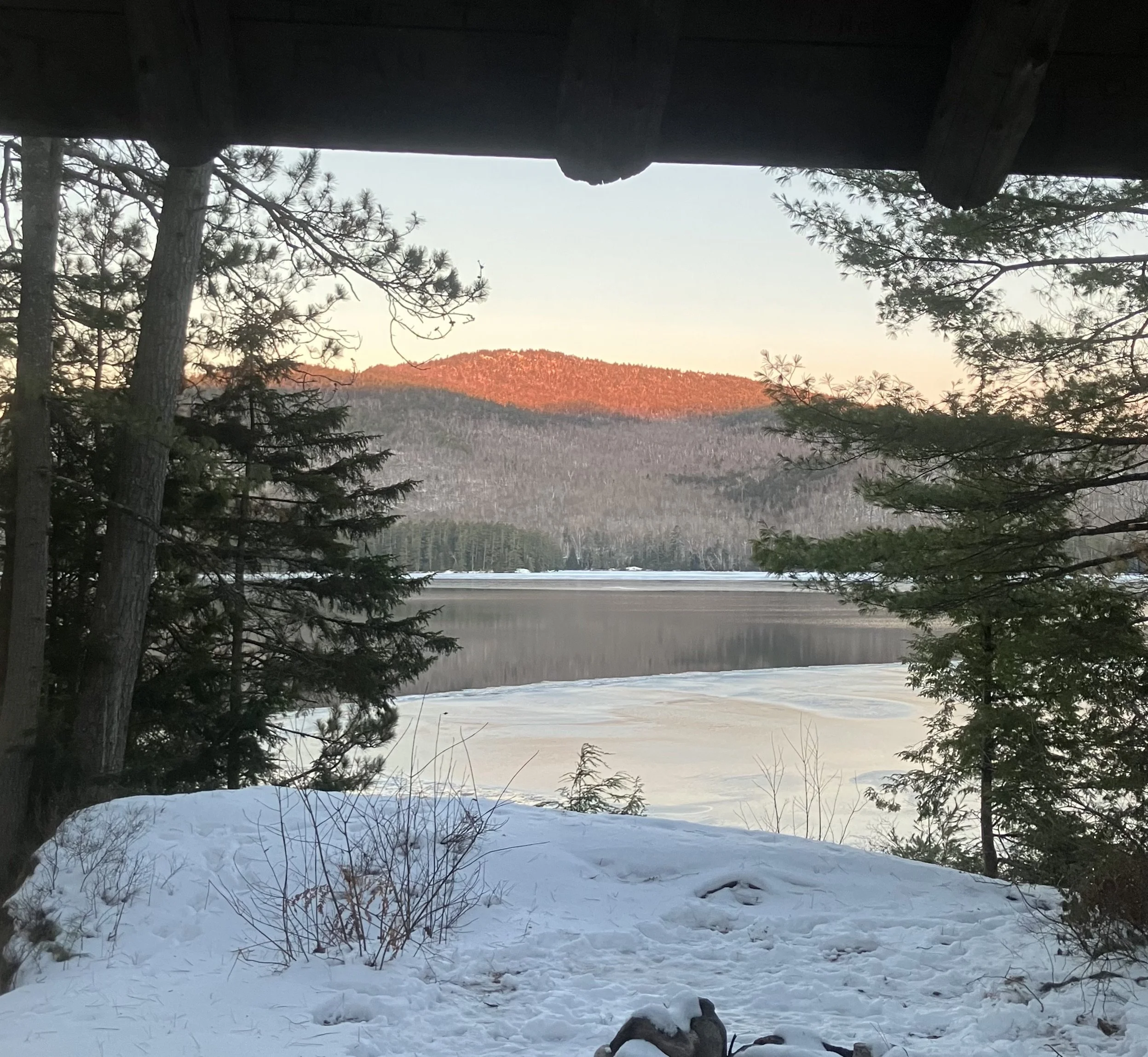
Pharaoh Lake wilderness (in the Adirondack Park in upstate NY) has become one of my go-to places for winter backpacking. There are many trails to follow, lots of options for shelters and campsites, and usually one does not have to climb any difficult or demanding mountains (except for last December when I took the wrong trail by accident). I was glad to get back into the wilderness for a two-day trip in a very busy time of year. Christmas is demanding for all people, but particularly for clergy-folk.
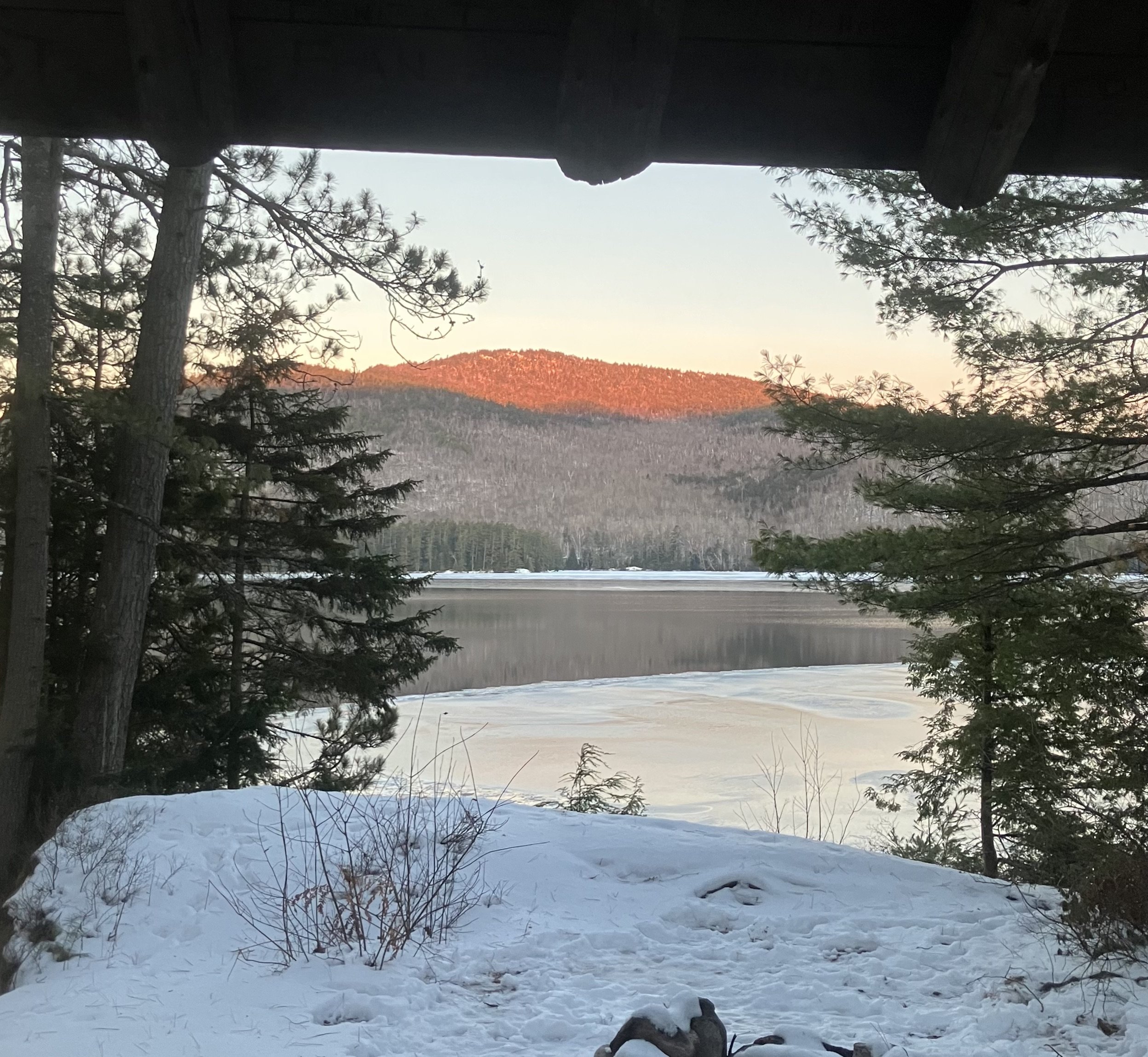
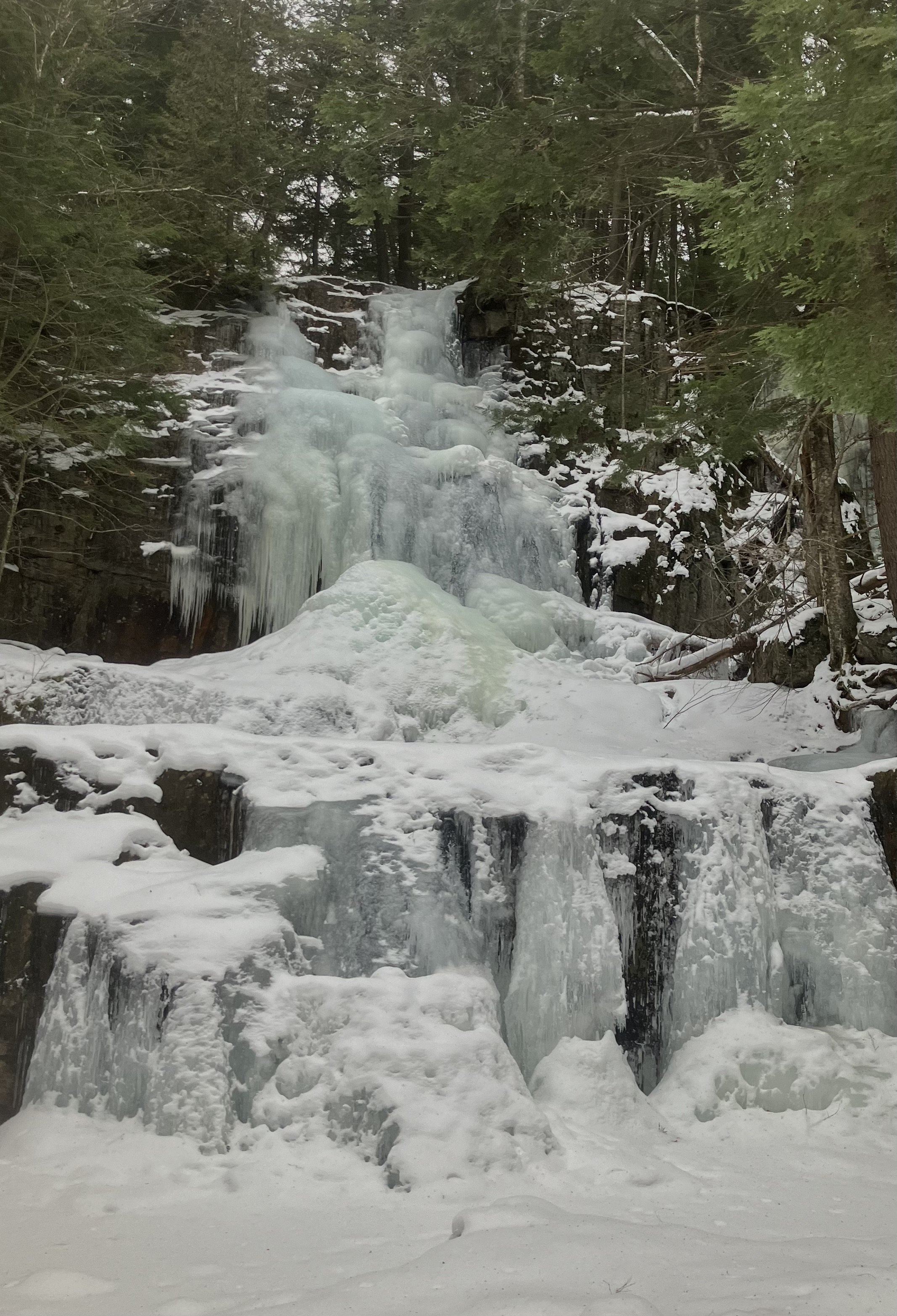
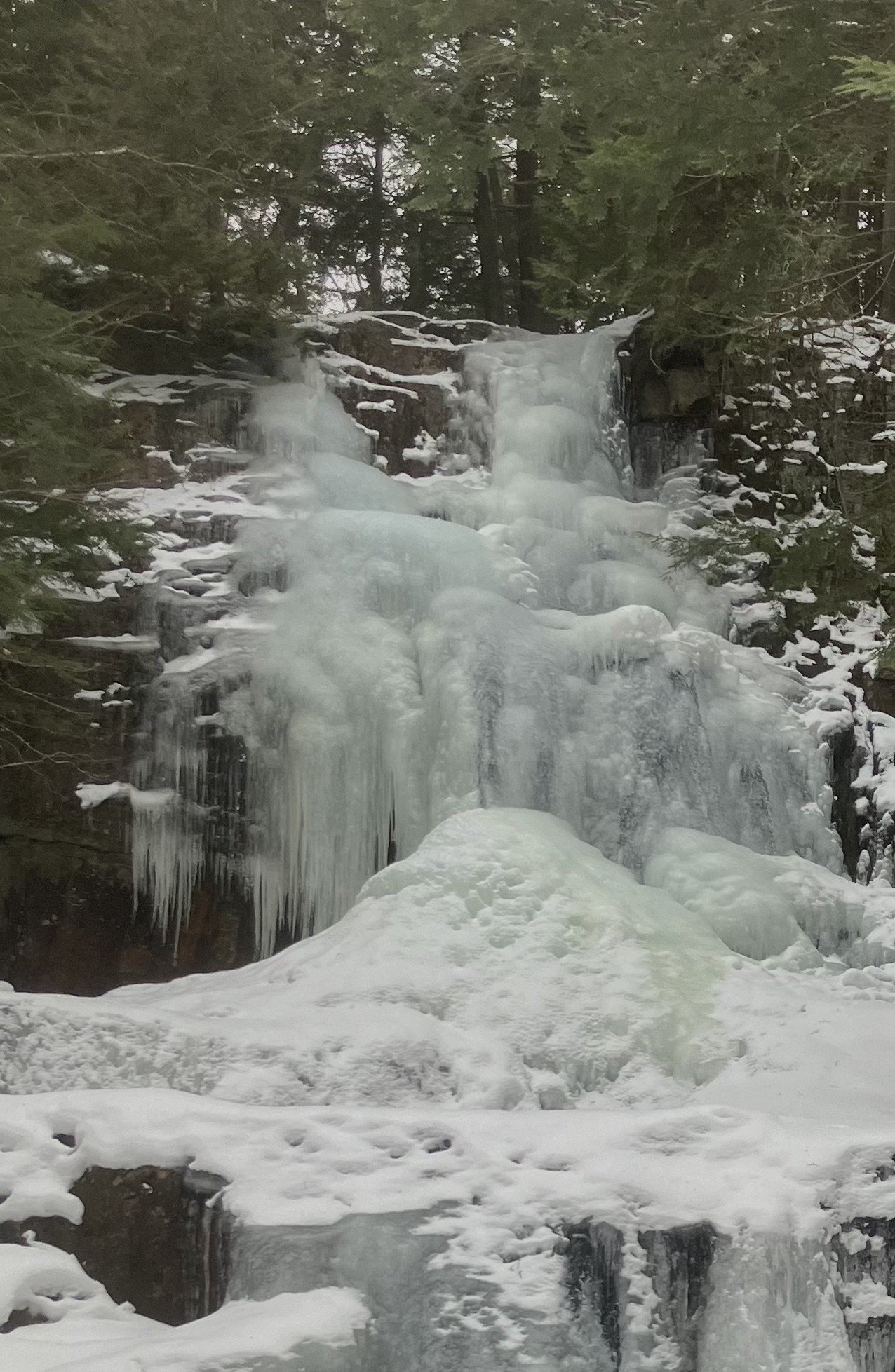
This year there was already about six inches of snow on the ground; not enough to warrant snowshoes, but enough for the challenges of winter hiking and backpacking. The snow had been on the ground long enough that I was able to follow the tracks of other hikers who had gone before me. I was glad for this because there were sections of the trail that I had not hiked in a number of years and I was not always sure about which way to go. I got an early start and was making great time through fairly easy terrain, hiking from Putnam Pond to Pharaoh Lake. Part of what I love about that area is that the trails will undulate up and down along the terrain, but never too demanding. Again, I was not climbing any mountains. I wound through various biomes – swamps and ponds, crossing streams and traversing through hardwood and pine forests. The temperature was hovering in the high 20s and low 30s which is great for winter hiking. I was making good time, enjoying particularly the beauty of a frozen waterfall and not having to think too much about where to go because I was following the tracks of people who have hiked before me. But then, the track stopped.
When hiking in the winter, through the snow, we talk about a trail being broken or unbroken. A broken trail means that someone else has hiked on the trail before and made a path. In deep snow that means you won’t be working extra hard picking up your snowshoes out of a deep freshly made footprint, making every effort not to fall down.
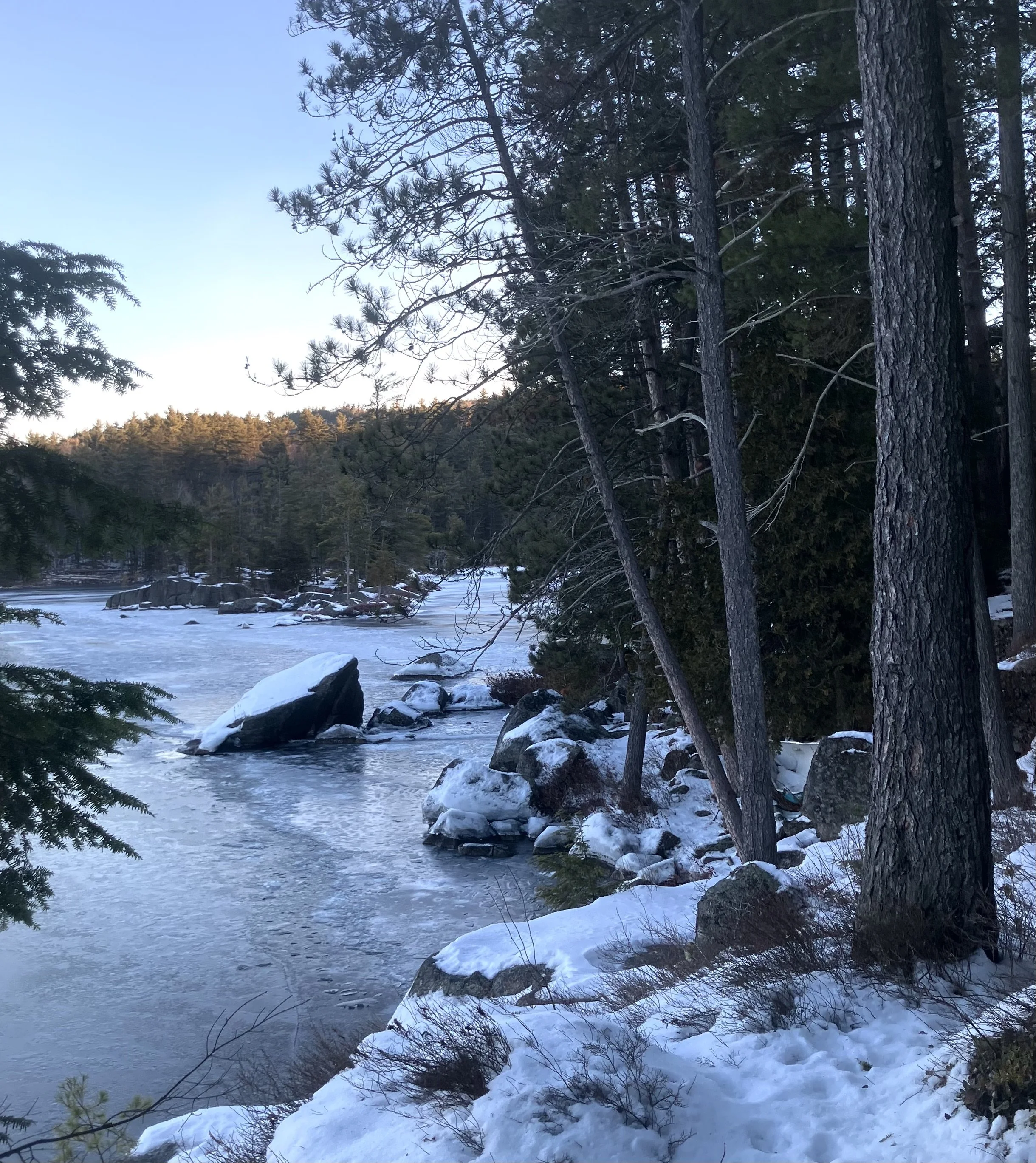
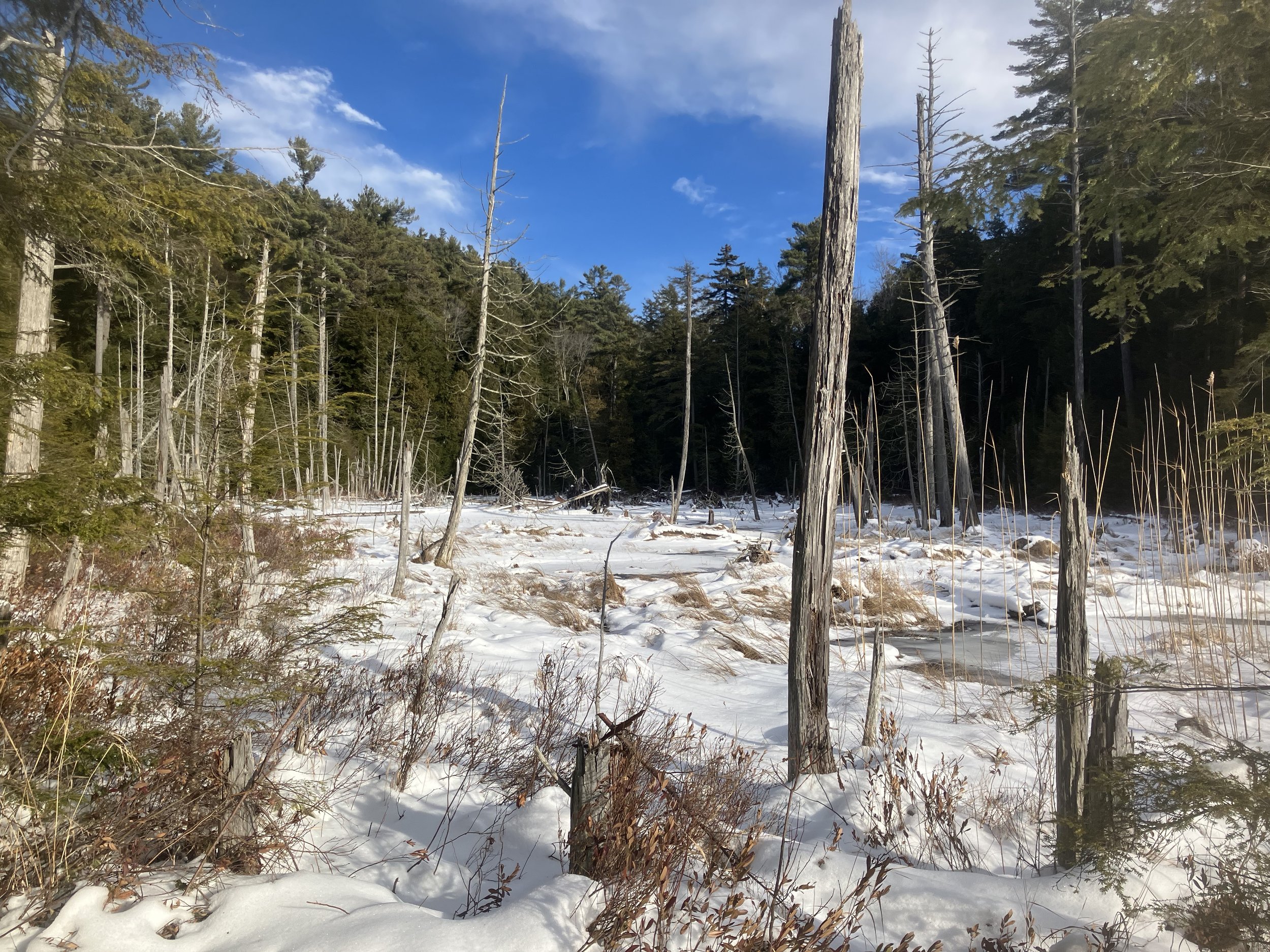
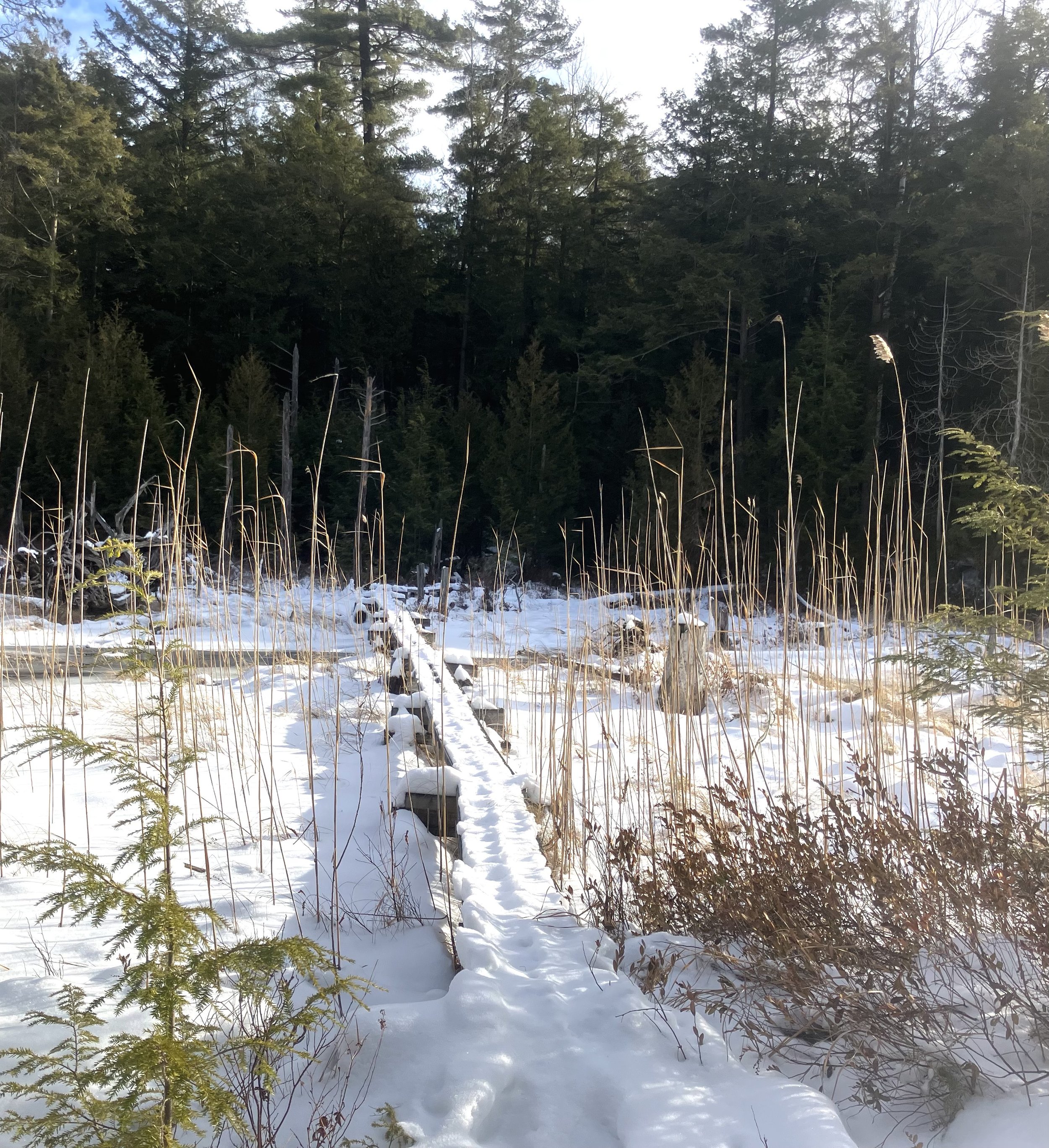
When the trail is unbroken, even in snow that is not particularly deep, I tend to slow down. The challenge is not only working through snow that is covering rocks and roots, but guessing where the trail goes. In thicker forests the trail can often be obvious. Follow the only obvious break among the trees threatening to choke every inch of land. But in an open hardwood forest, or in a pine grove, or in a field, it is more difficult to guess which way the trail goes. There can be lots of options for direction and often no obvious clues. These tend to be the places where the trail markers seemed to be absent. There have been many times when I have found myself standing and looking, peering around trees, hoping to see an errant trail marker on a tree, giving me hope that I was pointed the right direction. This is part of winter hiking, and I am fairly used to it. Hence it is much easier to hike on a broken trail because a broken trail meant that I did not have to think about where I was going. I would look at the trees from time to time and make sure I could still see a trail marker, but I was not very worried about getting lost and was letting my mind wonder as I walked through the silence of the wilderness.
On this trip I noticed that when I was hiking on unbroken trail there was almost consistently a single set of coyote tracks. These tracks were at least a couple of days old, and at first, I made a point to not follow them. I cannot trust that animals will stay on the trail and instead assumed that they would wander on and off of the trail. And eventually deep into the forest. I made a point to be cautious. I would stop from time to time and assess if I was on the trail and noted that again and again the coyote was also staying on the trail. There were moments when I was sure that the trail was going a different direction than the coyote tracks, looked and looked for signs of a trail in the opposite direction, only to find that I was wrong and I needed to trust and follow the coyote.
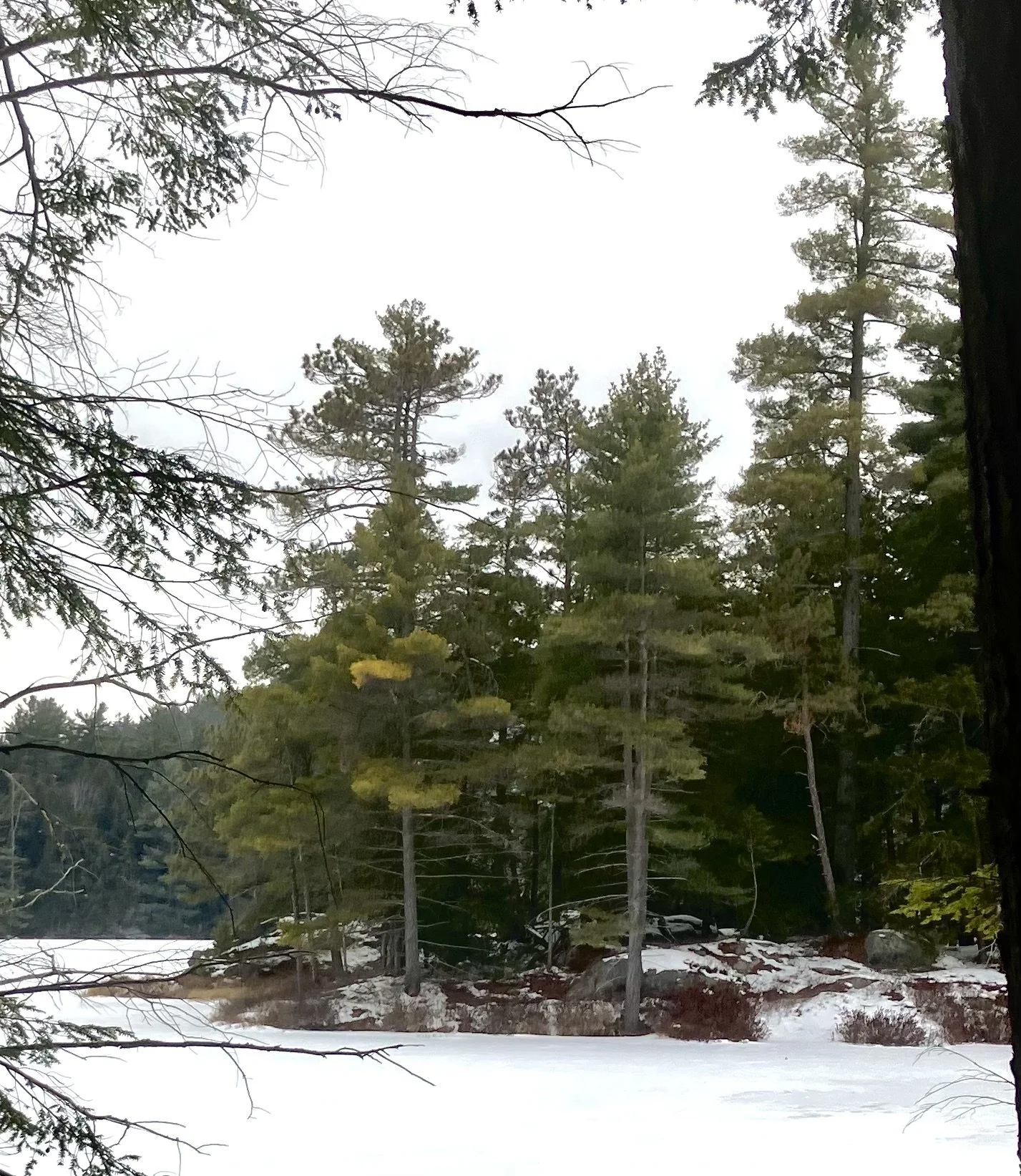
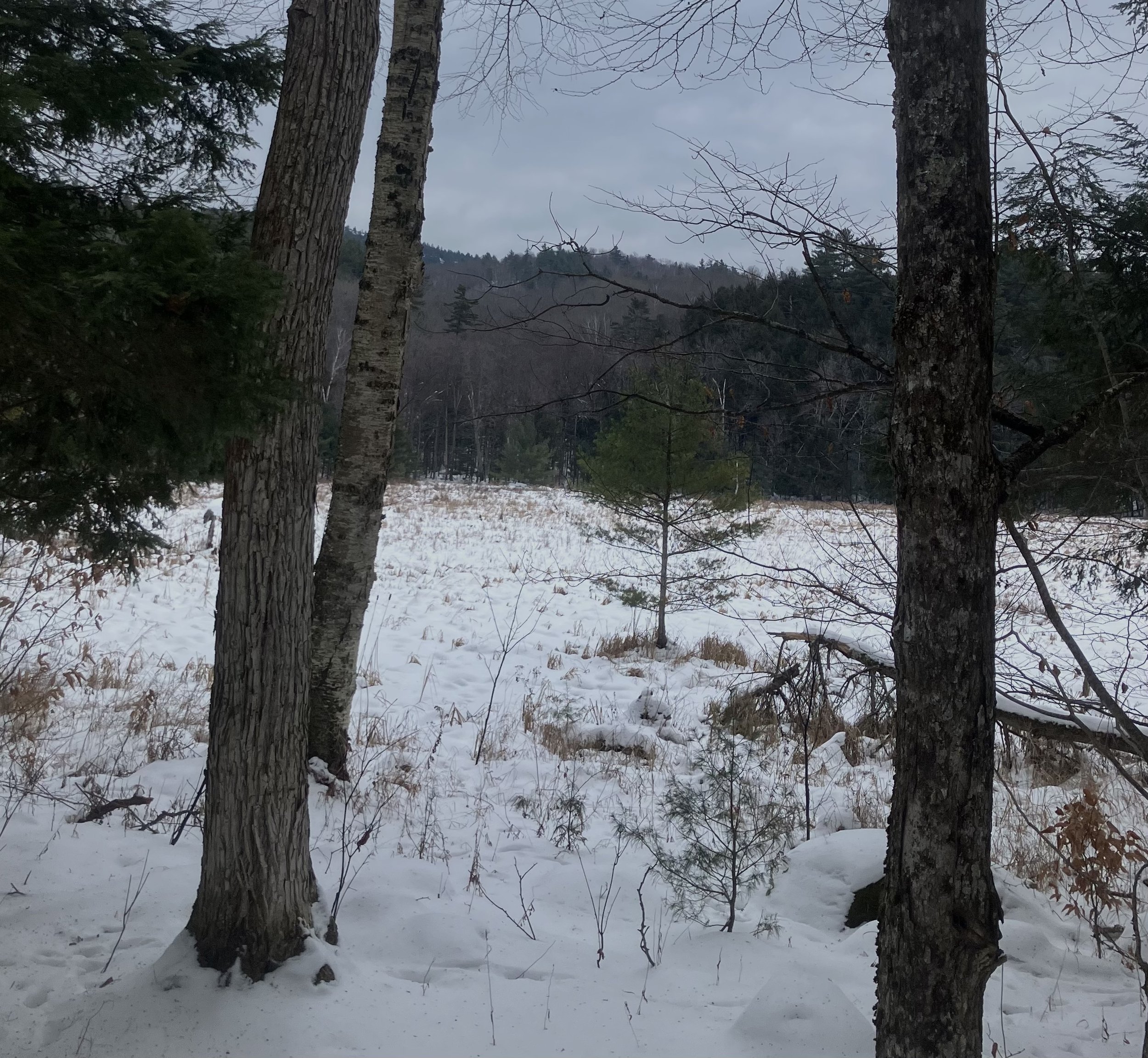
I don’t mind hiking solo. I enjoy meeting people in the wilderness, but I also enjoy the time I get to myself in the wilderness. There is something humbling and peaceful about being in the wilderness and not seeing another person. But there is also a loneliness to the experience. It is not a heavy loneliness, but one of feeling apart, feeling like you are walking a different pace, a different way than the rest of the world even if it is only for a few days. While the world moves with the hustle and bustle pace, while the world is connected through technology, ingesting news cycles and social media posts, I am in the woods, just thinking about where to place my next footstep, wondering where I will take a break, and where I would sleep for the night. While I am in the woods, I am living a different pattern, a different experience, separate from the world that I find myself in most of the time. I don’t mind the isolation and the separation, but it is a little sad. It isn’t a heavy sadness, but a kind of sadness of experiencing something that is life-giving and not being able to share it with anyone else. Yet with the coyote tracks, even though they were already a few days old, I felt like I had a companion on the trail. Or perhaps better said, I felt like I was a companion on the trail. I felt like I was not hiking my own journey, but instead following the coyote, striving and working to keep up and not get lost. I wondered if I could trust the coyote and follow the tracks for the entire day, believing that eventually we would part ways. For a while, I did not feel completely alone.
There came a point when I once again found myself following human tracks. They were mixed with the coyote’s tracks, and then the two went in different directions. Without thinking too much about the poetry of the moment, the opportunity to look at the two paths diverging in the snow as if paying homage to Robert Frost, I decided to bid farewell to the tracks that had led me safely and follow the boot prints in the snow. Surly I could trust the steps of a fellow hiker, even if they were days old. Those tracks starting going up a steep section of the forest. Perhaps this was the trail. The steepness increased and the tracks persisted, and I was not noticing any trail markers at all. It was after about 20 minutes of following the tracks of my fellow hiker that I was sure that I was no longer on the trail. Even in the Adirondacks, the trails are not usually as steep and demanding as what I was experiencing. I realized that I had been led astray and looked below, longing to see the coyote tracks that I had been trusting and following for so long. They were gone and I was walking in the way of humanity. Again, in the moment, the poetry was lost on me as I huffed my way up the steep side of a ridge, still following the human-made tracks. Eventually I met up with the trail again (I found trail-markers), and was able to follow a broken trail for the rest of my trip.
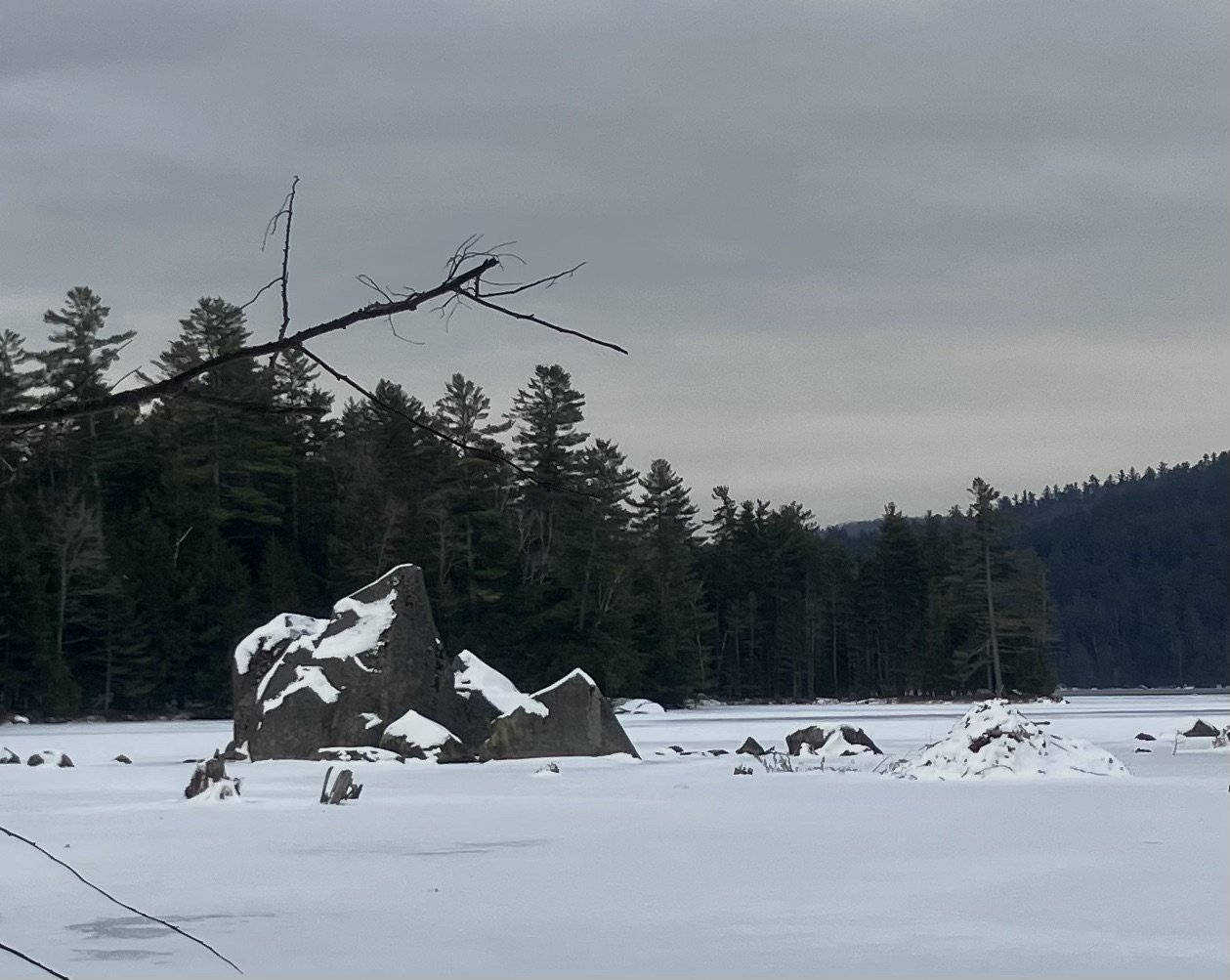
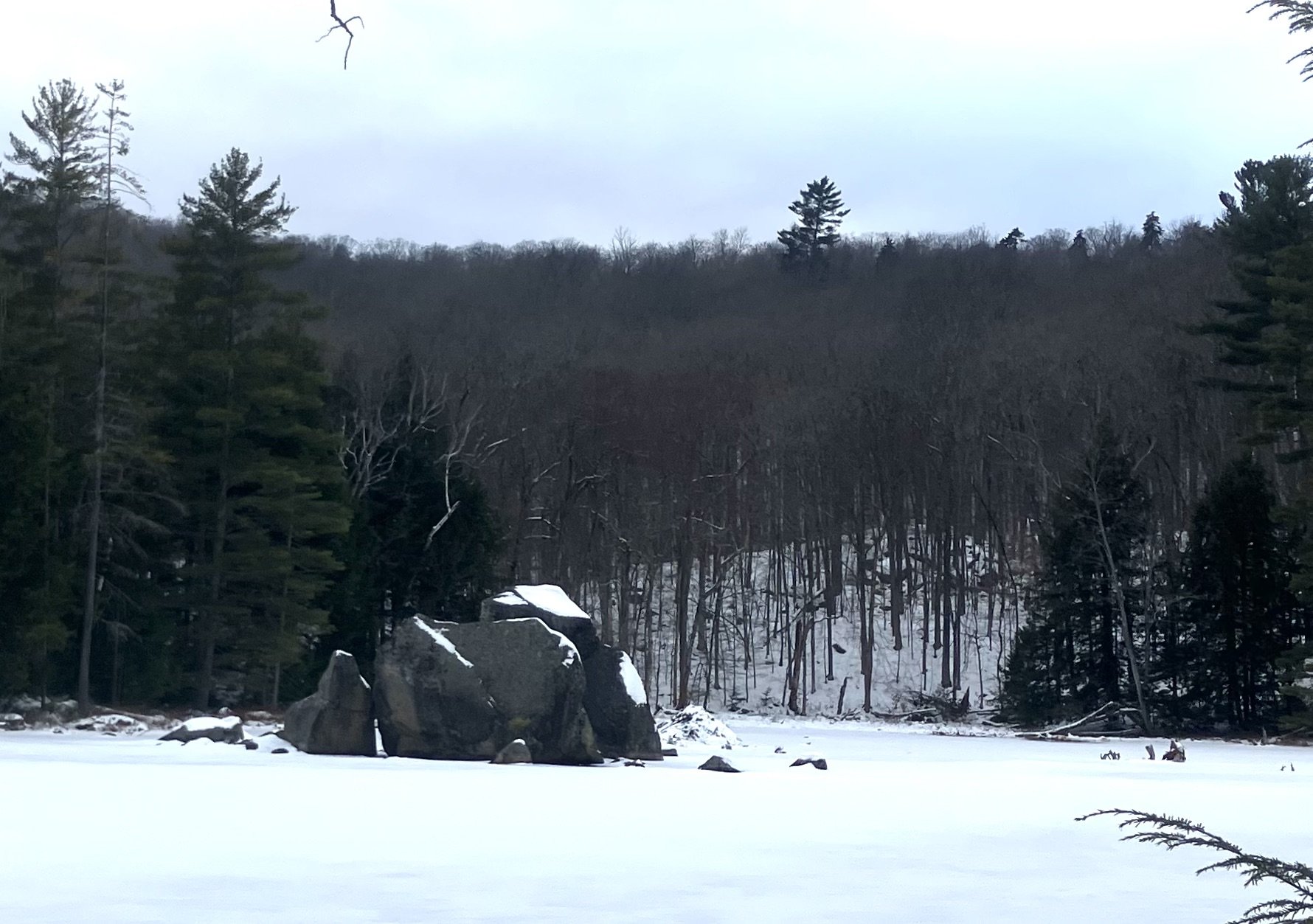
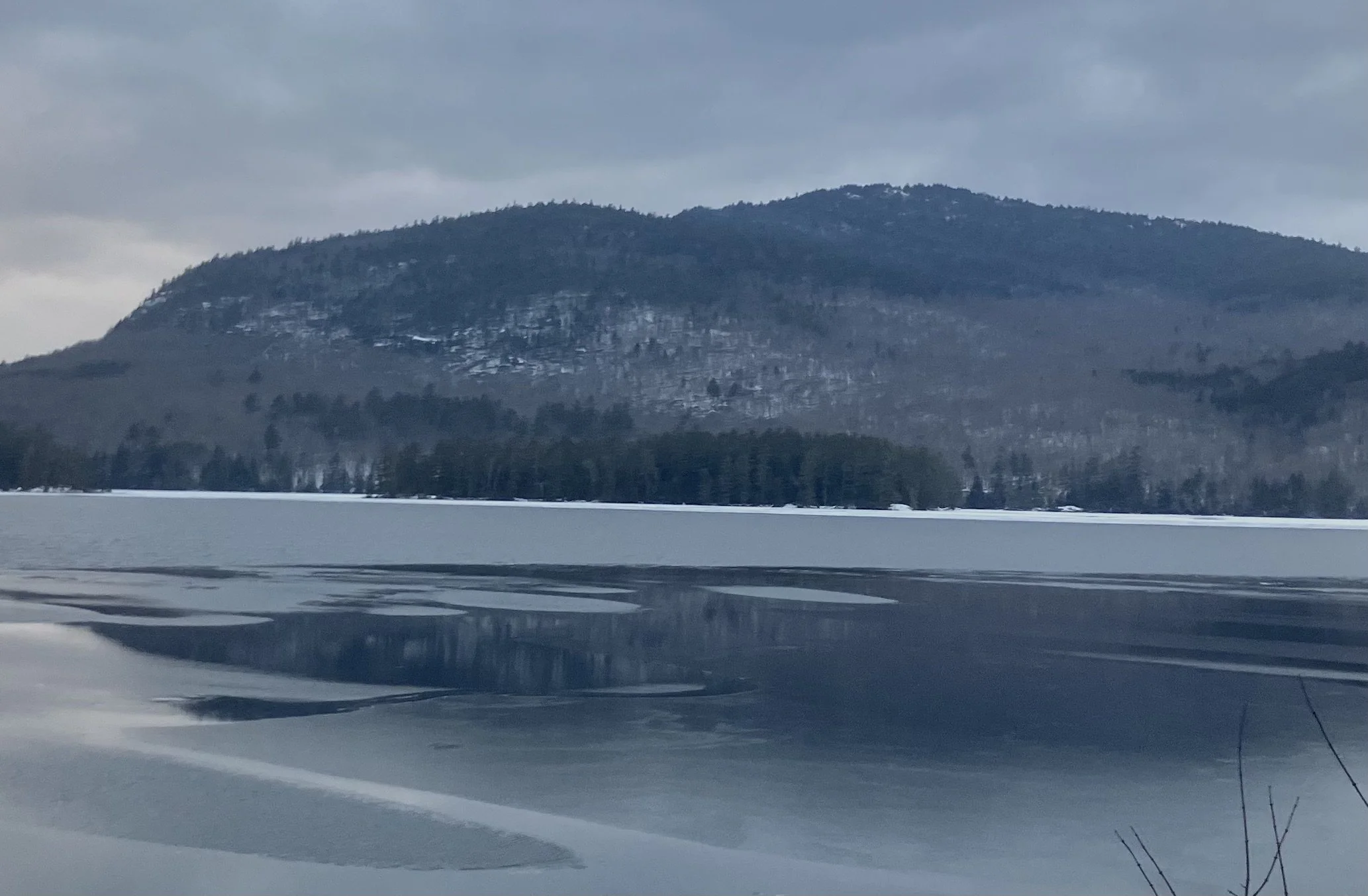
In retrospect am I able to muse on the symbolism of the moment. I am not under any illusion that the coyote was looking out of me. Very likely the coyote, as well as deer, moose, bears, and other woodland creatures, walk the hiking trails in the wilderness because the paths are easy and do not have a lot of resistance. It is likely that the coyote was following a route that it took summer and winter and just knew the way to go. Yet the tracks where there, giving me a sense of connection in my isolation, a sense of confidence when I was not sure which way to walk. The coyote tracks were more helpful and hopeful than human tracks. I wonder what it says that I could not fully trust the coyote. I wonder what it says that when I decided to trust a fellow human I was led off the path that I desired to walk.
I’ll not move into grand sermonizing about following the tracks for non-human creatures verses the whims and ways of humanity. I’ll not offer poetic pontification about losing ourselves from the lure of humanity in the wilderness so that we might actually find the way that we need to go. Instead I’ll just express my gratitude for the companionship that I find in the presence of the coyote even if I was a few days behind and my regret for trusting the wisdom of a hiker I did not know versus the coyote I had been traveling with. Perhaps there is something for me to learn.